
Chipaz-Backed Bira reMbira Festival Returns to Harare
Harare’s Glamis Arena will host Bira reMbira on 25 September, bringing together celebrated musicians and traditional ensembles for an overnight celebration of Zimbabwean music, cultural knowledge and creativity.
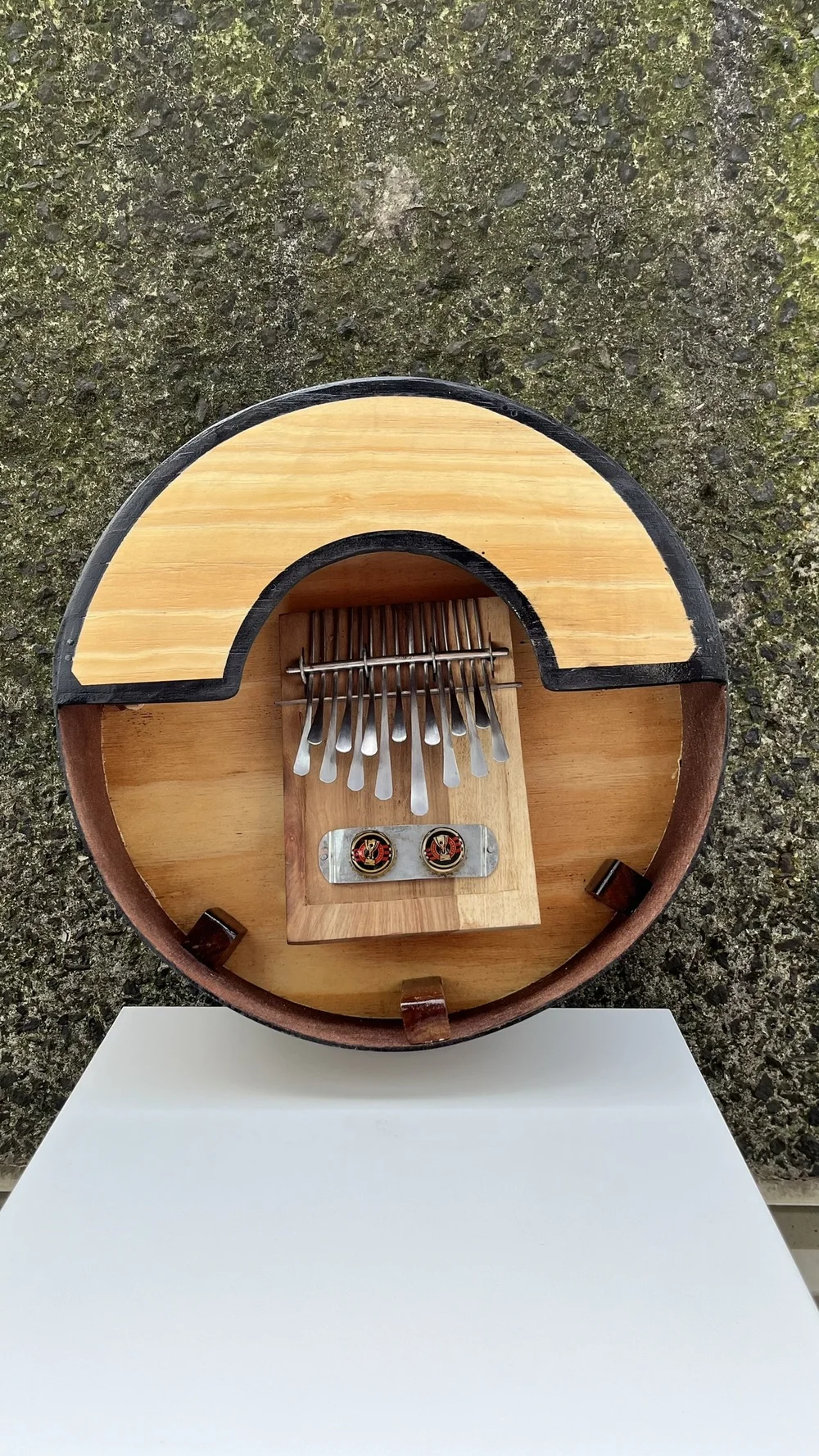
Harare is preparing for a day and night of mbira music as the Bira reMbira National Festival returns to Glamis Arena on Friday, 25 September 2026. The third edition is scheduled to begin at 10am and continue into Saturday morning, bringing artists and cultural custodians together during Mbira Month.
The reported line-up includes Victor Kunonga, Feli Nandi, Andy Muridzo, Kurai Makore, Vee Mhofu and Diana “Mangwenya” Samkange, alongside traditional mbira ensembles. A tribute to the late Mbuya Stella Chiweshe will also form part of the programme, recognising her contribution to the instrument’s musical and cultural legacy. Source: The Herald.
The festival brings together the organising partnership associated with Partson “Chipaz” Chimbodza of Chipaz Promotions, Benjamin Nyandoro of Jive Zimbabwe and musician Diana Samkange. Reporting earlier this month identified their involvement in Bira reMbira and its place within September’s wider celebrations of the instrument. Source: The Sunday Mail.
For audiences, the attraction is the opportunity to experience different performers within one gathering. Well-known names may draw visitors through the gates, while traditional ensembles offer the possibility of discovering unfamiliar songs, playing styles and musical relationships. That exchange gives a festival its character: listeners can arrive with favourites and leave with new interests.
This year’s theme, “Roots to Markets- Empowering Makers, Players and Markets”, connects cultural knowledge with economic opportunity. Domboshava’s Mbira Dzepadombo Ensemble, led by Sekuru Thomas Chiombera, is among the featured groups. The event is receiving support from the ministries responsible for arts and tourism. Source: The Herald.
The theme invites attention to the work surrounding every performance. Instruments must be made and maintained, musicians need time to rehearse, and experienced players must find opportunities to teach. A thriving musical tradition depends on these everyday activities, together with audiences willing to support them.
Bira reMbira’s own history provides a foundation for that ambition. The inaugural festival took place at Gwanzura Stadium in Highfield in September 2024. The National Arts Council’s newsletter recorded Chipaz Promotions’ collaboration with the Government in staging the overnight gathering, which brought together musicians, traditional dancers and cultural enthusiasts. Source: National Arts Council newsletter.
Its return offers another opportunity to connect public celebration with continued interest. A strong performance can encourage someone to seek out an artist’s recordings, attend another show or ask where lessons are available. For musicians and teachers, those decisions can be as valuable as the applause on the day.
Understanding the instrument also adds depth to the experience. Mbira consists of metal keys attached to a wooden board, sometimes placed inside a resonator. Players use their thumbs, or thumbs and fingers, to produce overlapping melodic patterns. Repetition is central to the music, with small variations giving familiar phrases fresh movement.
In 2020, UNESCO inscribed the art of crafting and playing Mbira/Sansi in Malawi and Zimbabwe on the Representative List of the Intangible Cultural Heritage of Humanity. Its description recognises the transmission of knowledge through families, apprenticeships and formal teaching, including in schools. Source: UNESCO.
For newcomers, listening closely to those returning patterns can be rewarding. Rather than waiting only for a chorus or a dramatic change, an audience member can follow how individual parts interlock. Watching the musicians makes that process visible, revealing the coordination and attention behind sounds that may initially seem effortless.
Younger players have already contributed to the festival’s story. Reporting on the 2024 edition documented performances by learners from Prince Edward, Domboramwari, Mt Pleasant and Hermann Gmeiner schools. Young participants called for increased investment and greater opportunities for aspiring mbira musicians. Source: The Herald’s 2024 coverage.
Their participation points towards an important measure of success for cultural events: what happens afterwards. Regular lessons, accessible instruments and further performance opportunities can help turn an encouraging appearance into sustained development. Festivals can draw attention to this need and introduce audiences to the people already doing that work.
The communities maintaining these traditions should remain central to their future. UNESCO’s inscription decision emphasised the importance of practitioners’ participation in safeguarding Mbira/Sansi. For visitors, that means approaching the music with curiosity about the knowledge and experiences of those who perform it. Source: UNESCO’s decision.
Those planning to attend should confirm admission arrangements, individual performance times and entry conditions with the organisers. Ticket prices were not established in the current reporting reviewed for this article. With the programme continuing overnight, visitors should also arrange their return transport before heading to the venue.



Discussion
0 commentsSign in to join the conversation.